- Contact Us Now: (201) 494-2800 Tap Here To Call Us


What Happens If a Seller Refuses Inspection Repairs in New Jersey?


One of the most common points of tension in a New Jersey real estate transaction comes after the home inspection. Buyers identify issues, request repairs or credits, and sellers respond — sometimes by saying no.
When that happens, it is important to understand what the contract allows, what options each party actually has, and how these situations are typically resolved in practice.
The inspection contingency in New Jersey
Most residential real estate contracts in New Jersey include a home inspection contingency. This contingency gives the buyer a limited period of time to conduct inspections and request that certain conditions be addressed.
What the inspection contingency does not do is automatically require the seller to make repairs.
Instead, it creates a negotiation window.
Is the seller required to make repairs?
In most cases, no.
A seller is generally not obligated to:
- perform repairs,
- provide credits, or
- reduce the purchase price
unless the contract specifically requires it or the parties later agree in writing.
Inspection requests are just that — requests.
What options does the buyer have if the seller refuses?
When a seller refuses inspection-related requests, the buyer typically has several options, depending on the contract language and timing.
Proceed with the transaction as-is
The buyer may decide that the issues are manageable or expected and move forward without any repairs or credits.
Negotiate an alternative
Even if a seller refuses to make repairs, the parties may still agree on:
- a credit at closing,
- a price adjustment, or
- a limited repair addressing only specific items
Negotiations often evolve after the initial response.
Cancel the contract
If the inspection contingency allows it and deadlines are met, the buyer may have the right to cancel the contract and receive a refund of deposits.
This option is time-sensitive and depends heavily on proper notice and contract compliance
Common misunderstandings buyers and sellers have
These situations often escalate because of incorrect assumptions, including:
- believing sellers must fix everything identified in an inspection
- assuming safety issues automatically require repairs
- thinking a refusal means the deal is “dead”
- missing inspection or response deadlines
In reality, inspection disputes are one of the most common — and most manageable — parts of a transaction when handled properly.
What this means in practice
- Sellers frequently refuse broad or cosmetic repair requests
- Buyers often narrow requests to health, safety, environmental or structural concerns
- Many deals resolve through credits rather than repairs
- Timing and written notice matter more than the inspection report itself
How inspection issues are handled can directly affect closing timelines and whether the transaction moves forward smoothly.
How inspection issues fit into the broader transaction
Inspection negotiations are only one part of the New Jersey real estate process. Questions about inspection rights, deadlines, and cancellation often overlap with attorney review, contract interpretation, and closing preparation.
For a broader explanation of how inspection-related disputes are handled during a New Jersey real estate transaction, see our guide on home inspection issues.
Final thoughts
A seller’s refusal to make inspection repairs does not automatically end a deal. It simply shifts the decision back to the buyer — whether to proceed, renegotiate, or walk away.
Understanding what the contract allows, acting within required timeframes, and keeping expectations realistic can prevent inspection issues from turning into unnecessary closing delays.
Office Location
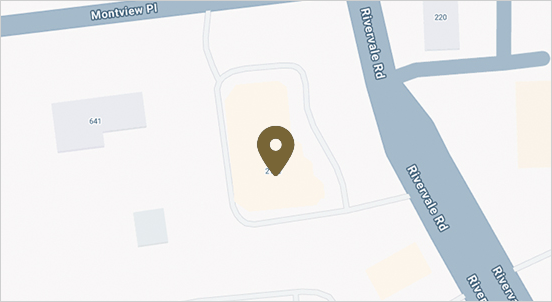
If you need assistance with a real estate transaction, reach out to The Law Office of Joseph A. DiPiazza, LLC. Call today to get started: (201) 494-2800