
Residential Real Estate Attorney for
New Jersey Buyers and Sellers
New Jersey Buyers and Sellers
Flat-fee attorney review, contract negotiation,
and real estate closings throughout New Jersey
and real estate closings throughout New Jersey

In a New Jersey real estate transaction, buyers and sellers each have defined responsibilities that affect timing, costs, and the ability to close smoothly. Confusion about who is responsible for what is one of the most preventable sources of delay, frustration, and last-minute pressure.
This page explains how responsibilities are typically divided in New Jersey residential transactions so both parties understand expectations early and avoid unnecessary complications as the deal moves forward.
Many transaction problems arise not from unexpected events, but from misunderstandings about responsibility. When buyers and sellers assume the other side is handling an issue, deadlines are missed and leverage is lost.
Buyers are primarily responsible for conducting due diligence and securing financing within the timeframes set by the contract. Failing to act promptly can affect contingencies and closing dates.
Sellers are responsible for delivering marketable title and complying with contractual and municipal requirements needed to transfer ownership. Many seller obligations involve timing-sensitive approvals.
Some responsibilities require cooperation from both parties. Delays often occur when coordination breaks down rather than when a single party fails to act.
When responsibilities are misunderstood, issues often surface late in the transaction, when deadlines are tight and options are limited.
Sellers can reduce closing risk by proactively managing their responsibilities and confirming requirements early.
Can responsibilities be changed by contract?
Yes. While many responsibilities follow standard practice, the contract can shift obligations if the parties agree.
What happens if one party does not meet their responsibilities on time?
Missed responsibilities can lead to delays, extensions, or loss of contractual protections, depending on the circumstances.
Does the buyer or seller control the closing date?
Neither party controls it unilaterally. Closing occurs when both sides and all required approvals are ready.
Clear understanding of buyer and seller responsibilities helps keep New Jersey real estate transactions predictable, timely, and on track for closing without unnecessary stress or last-minute issues.
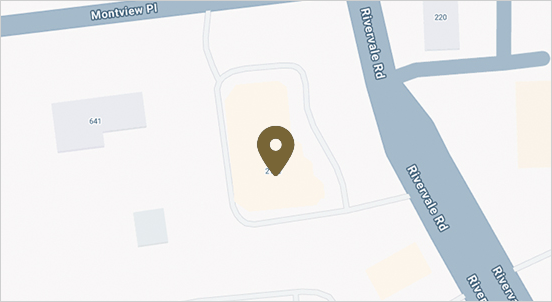
If you need assistance with a real estate transaction, reach out to The Law Office of Joseph A. DiPiazza, LLC. Call today to get started: (201) 494-2800