
Residential Real Estate Attorney for
New Jersey Buyers and Sellers
New Jersey Buyers and Sellers
Flat-fee attorney review, contract negotiation,
and real estate closings throughout New Jersey
and real estate closings throughout New Jersey

Once your offer has been accepted and the Purchase and Sale Agreement is executed, you will need to apply and be approved for a mortgage. A mortgage is a transfer of an interest in real estate as security for the repayment of a loan.
Our office in River Vale assists buyers and sellers throughout Bergen County with reviewing mortgage commitments and coordinating financing timelines with contract deadlines.
A typical mortgage transaction involves a home purchaser borrowing money from a lender and entering into a written agreement with the lender, so that the real estate is collateral for the loan. A borrower obtains a mortgage loan through a process of application and commitment. The borrower initiates the process by submitting an application to the lender. Buyers typically begin the mortgage application process immediately after attorney review concludes, when the contract terms and deadlines are finalized.
The lender conducts a risk evaluation to determine whether a mortgage loan will be granted. In the risk analysis, the lender evaluates both the borrower’s financial position and the value of the real estate. If the lender determines the risk to be acceptable, the lender will issue a loan commitment detailing the loan amount, repayment terms, interest rate, and other pertinent conditions.
After reviewing the buyer’s financial profile and the property, the lender issues a mortgage commitment outlining the terms under which financing will be provided. This document is more than an approval letter — it defines the conditions, documentation requirements, and timing that must be satisfied before closing. The commitment also connects directly to the mortgage contingency in the real estate contract, because the ability to cancel or proceed with the transaction often depends on whether this commitment is obtained within the required timeframe. Understanding how the commitment fits into the broader mortgage contingency deadlines is critical to protecting the buyer’s rights and keeping the transaction on schedule.
After you have obtained a mortgage commitment, review it carefully. Make sure the rate and terms are correct before you sign the commitment and return it to the lender. There may be certain conditions that must be satisfied prior to closing. Be sure to provide your attorney with a copy of your commitment and conditions. When the borrower accepts the commitment, a binding contract for a mortgage loan is created. Residential mortgage loans usually bear interest at a fixed annual percentage rate over a period of fifteen or thirty years.
One of the most common types of mortgages is the fixed-rate mortgage. With a fixed-rate mortgage, the interest rate remains the same throughout the entire loan term. This means that your monthly mortgage payment will stay the same, which can be helpful for budgeting and planning. Fixed-rate mortgages are a good choice for people who plan on staying in their home for a long time, as they offer predictable and stable payments.
With an adjustable-rate mortgage (ARM), the interest rate changes over time based on market conditions. This means that your monthly mortgage payment may fluctuate. ARMs typically have a lower initial interest rate than fixed-rate mortgages, which can make them attractive to borrowers who are looking to save money in the short-term. However, the potential for rising interest rates in the future can make ARMs riskier for some borrowers.
These are loans that exceed the maximum amount allowed by the government-sponsored enterprises (GSEs) Fannie Mae and Freddie Mac.
These are mortgages insured by the Federal Housing Administration (FHA). They are a good choice for first-time homebuyers or those with less-than-perfect credit, as the credit and down payment requirements are often more lenient than for conventional loans.
These are mortgages guaranteed by the Department of Veterans Affairs (VA). They are available to active duty military members, veterans, and their families, and often have more favorable terms, such as lower down payment requirements and no private mortgage insurance (PMI) requirement.
The interest rate is determined by the prevailing market conditions at the time the loan is made. A lender may increase its yield beyond the stated interest rate by requiring the borrower to pay “points” at the time the loan is made. One point equals one percent of the loan amount. It may also be beneficial for the borrower to pay points in order to reduce the interest rate over the term of the loan.
When it comes to purchasing a home, one of the most important decisions you’ll make is choosing the right mortgage. A mortgage is a loan that helps you finance the purchase of a home by allowing you to pay for it over a period of time, usually 15 or 30 years. In New Jersey, there are several different types of mortgages to choose from, each with its own set of benefits and drawbacks.
Choosing the right mortgage involves more than comparing interest rates and loan types. The financing you select can affect contract deadlines, mortgage contingency rights, and whether your transaction proceeds smoothly to closing. Understanding how the mortgage process fits into the legal structure of your real estate contract is an important part of protecting your interests.
The mortgage process in New Jersey is closely tied to contract deadlines and financing contingencies that can affect whether a transaction moves forward. For a detailed explanation of how mortgage contingencies work in New Jersey real estate contracts — including timing requirements and potential consequences — see Mortgage Contingencies in New Jersey.
If you have questions about how your mortgage commitment, loan terms, or financing timeline affect your transaction, contact The Law Office Of Joseph A. DiPiazza online or dial (201) 494-2800 for a consultation.
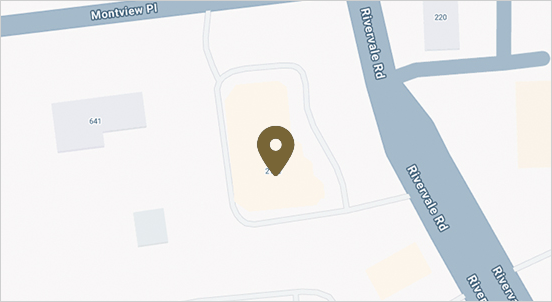
If you need assistance with a real estate transaction, reach out to The Law Office of Joseph A. DiPiazza, LLC. Call today to get started: (201) 494-2800